
Searching Marion County Court Records
How do I search Marion County court records online?
Use the Online Court Records Search (OCRS) at civitekflorida.com/ocrs/county/42. Pick the Public lane, agree to the terms, and search by name, case number, or filing date. The portal covers civil, family, probate, traffic, and most criminal case dockets held by the Marion County Clerk. For a full step-by-step walkthrough, see our Marion County court records guide. Sealed, expunged, and confidential files will not appear.
Are Marion County court records free?
Yes, online viewing through OCRS is free. You can read dockets, party names, and most filing details at no cost. Fees kick in when you ask for copies. The Clerk charges $1 per page for uncertified copies and $2 to certify each document, plus a $7 search fee when staff must look up a file by name or date. See full fees and access rules on our public records page. Some images on OCRS may also need a small per-document fee.
How do I get a certified copy of a Marion County court document?
You can ask for certified copies in person at the Clerk's office at 110 NW 1st Ave., Ocala, FL 34475, by mail to PO Box 1030, Ocala, FL 34478, or through the Clerk's e-certification service. Each certified copy costs $2 plus $1 per page. Send a self-addressed stamped envelope for mail orders. Full steps, payment options, and contact details are on our Clerk of the Circuit Court and Comptroller page. Call 352-671-5604 if you need help.
The Clerk and the Courthouse
Who is the Marion County Clerk of Court?
Gregory C. Harrell has served as Marion County Clerk of the Circuit Court and Comptroller since January 5, 2021. The Clerk's office keeps and shares court files, official records, marriage licenses, finance records, and jury data. Office hours are Monday through Friday, 8 a.m. to 5 p.m. The main public line is 352-671-5604. For office roles, duties, and a list of locations across Ocala, see our Clerk of the Circuit Court and Comptroller page.
Where is the Marion County Judicial Center located?
The Marion County Judicial Center is at 110 NW First Avenue, Ocala, FL 34475. This is the main building for circuit court and county court trials, hearings, judges, court administration, and the Clerk's court-records desk. The Fifth Judicial Circuit main number is 352-401-6700. Hours run Monday through Friday, 8 a.m. to 5 p.m. For a map of court branches and which cases they handle, visit our Marion County Circuit Court page.
Jail, Warrants, and Criminal Records
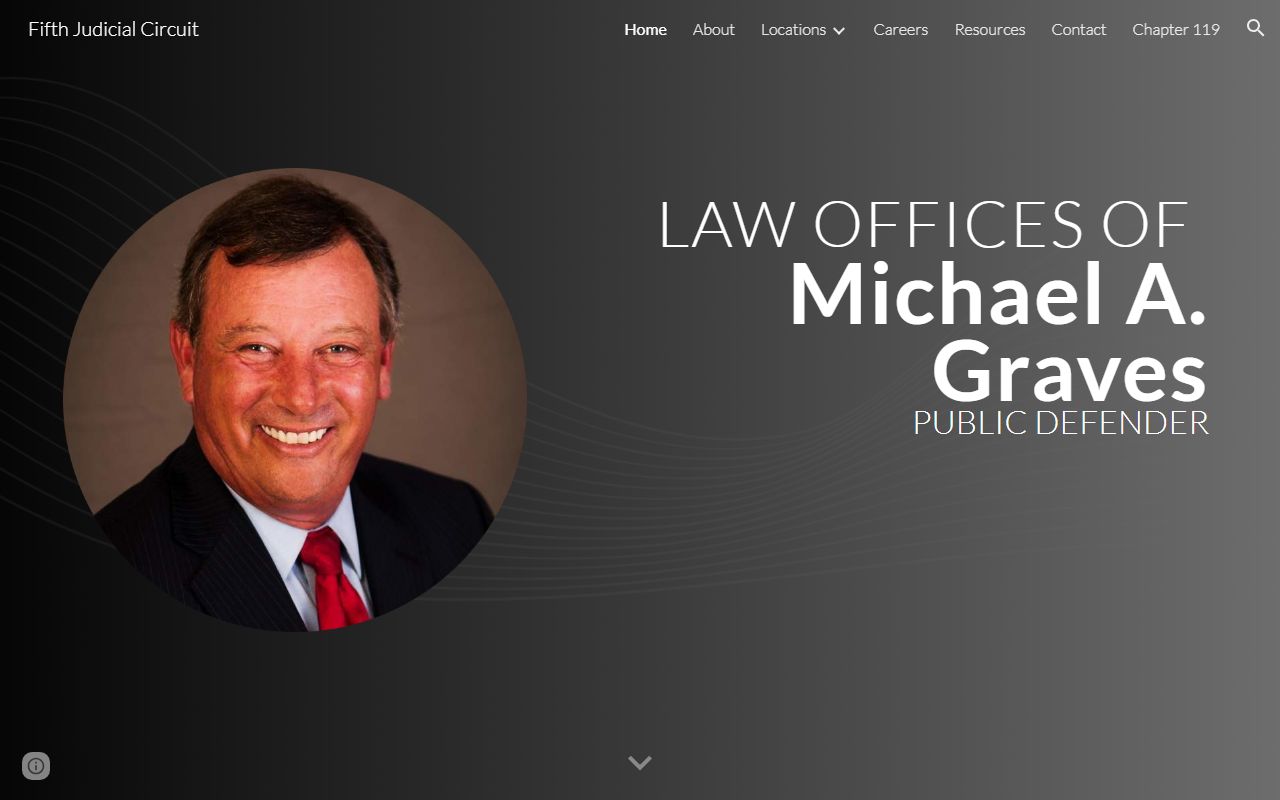
The Fifth Judicial Circuit Public Defender at pdo5.org handles court-appointed defense work in Marion County criminal cases. If you cannot afford a lawyer, the court can name a public defender at first appearance, often the morning after booking at the jail.
How do I search the Marion County jail roster?
The Marion County Sheriff runs an online jail search at jail.marionso.com that lists current inmates by name. Note that the portal blocks direct fetches and works best in a normal web browser. The roster shows booking date, charges, bond, and arresting agency. For the full how-to, links to mugshots, and ways to contact the jail at 3290 NW 10th St., Ocala, FL 34475, see our Marion County inmate records guide. The main jail line is 352-351-8077.
How do I check for an active warrant in Marion County?
The Marion County Sheriff's Office keeps an active warrant search at marionso.com/active-warrant-search. Type a first or last name and the page lists open warrants, charges, and case numbers. Sheriff Billy Woods leads the agency. If a warrant shows for you or a family member, contact a defense lawyer before going to court. Read our full warrant search page for step-by-step search tips and what to do next.
How can I seal or expunge a Marion County criminal record?
Florida lets you ask to seal a record under §943.059 or expunge a record under §943.0585. Start by getting a Certificate of Eligibility from the Florida Department of Law Enforcement. Then file a petition with the Marion County Clerk and serve the State Attorney. Only some charges qualify. A judge in the Fifth Judicial Circuit must sign off. For forms, eligibility rules, and timing, read our Marion County criminal records guide. You can also call legal aid for help.
Can I get a Marion County background check from the Sheriff?
Yes. The Sheriff's Records Division at 692 NW 30th Avenue handles local background checks and incident reports. Records hours run Monday through Friday with a payment cutoff at 4:15 p.m. each day. Fingerprinting is offered 8 a.m. to 4:30 p.m. Bring a photo ID and the subject's full name and date of birth. State-level checks come from FDLE. More options for criminal-record lookups are on our criminal records page.
Marriage, Divorce, and Probate
How do I apply for a Marion County marriage license?
Apply at the Clerk's Annex Building, 19 N Pine Avenue, Room 126, in Ocala. The phone line is 352-671-5588. Both partners must show up with photo ID and pay the license fee. Walk-ins are seen until 3:30 p.m. after scheduled appointments. The license is good for 60 days. For full steps, fee details, and what to bring, see our Marion County marriage and divorce records page. Out-of-state couples often skip the wait.
How long do I have to wait after applying for a marriage license?
Florida law sets a 3-day wait between applying and getting married, and the license stays valid for 60 days. You can skip the wait if both partners are Florida residents and finish a state-approved premarital prep course. Couples from out of state are exempt from the 3-day wait. The Clerk records the marriage after the officiant returns the signed license. Full rules, course providers, and forms are on our marriage and divorce records page.
How do I get a Marion County divorce decree copy?
Divorce files are family-court records held by the Clerk and shown in OCRS under Domestic Relations (DR). Search by name or case number, then ask the Clerk for a certified copy of the final judgment. Some pages are redacted to protect minors, financial data, and addresses of victims. Mail, in-person, and online certification options are all open. Step-by-step instructions, fees, and what stays sealed appear on our marriage and divorce records page.
How do I look up a Marion County probate case?
Probate cases, including wills, estates, and guardianships, are handled in the circuit court and indexed in OCRS as Probate (CP). Search by the deceased person's name or by case number. The Clerk's office files wills after death and gives certified letters of administration to the personal representative. Mental-health commitment files under §394.4615 stay confidential. For filing steps, forms, and timelines, see our Marion County probate records page.
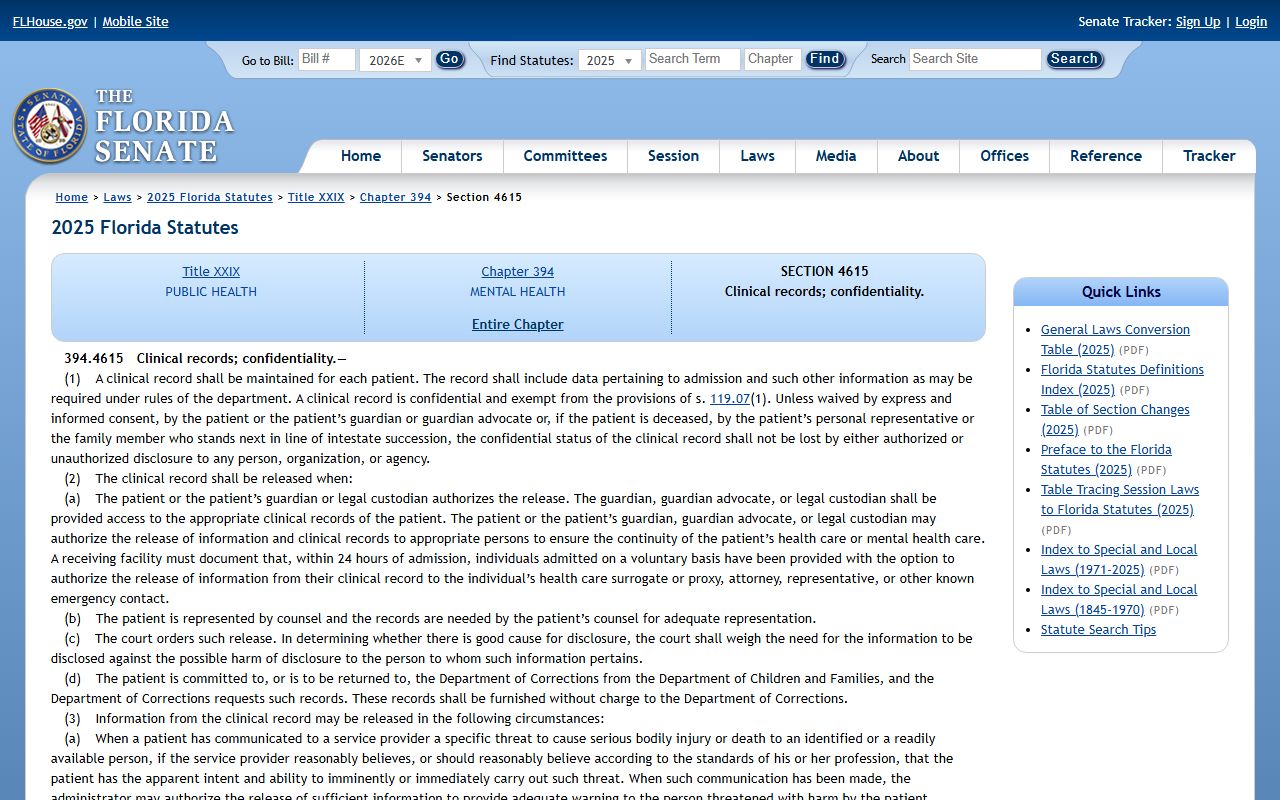
Florida Statute §394.4615 keeps mental-health clinical files closed to the public, and the Baker Act process produces a separate court file that the Clerk shields. Read the full text at flsenate.gov/Laws/Statutes/2025/394.4615.
Courts, Traffic, and Public Records
What is the difference between Marion County County Court and Circuit Court?
Marion County County Court hears small claims up to $8,000, civil cases up to $50,000, misdemeanors, traffic infractions, and county ordinance cases. Circuit Court hears felonies, civil cases over $50,000, family law, probate, juvenile cases, and most appeals from county court. Both courts sit in the same Judicial Center. For a full breakdown of jurisdiction, judges, and how to file, see our county court and circuit court pages.
How do I file a public records request in Marion County?
Florida Chapter 119 gives the public a broad right to inspect and copy state and local government records. To ask for a Marion County record, send your request to the agency that holds the file, the Clerk for court files, the Sheriff for arrest reports, or a city for police reports. You do not have to give a reason or your name. Fees are limited to actual duplication costs. See our public records guide for sample request letters and exemption rules.
How do I pay or contest a Marion County traffic ticket?
Pay a Marion County traffic ticket online through the Clerk's site, by mail with the citation stub, or in person at the Judicial Center. Pay within 30 days to avoid late fees and a license hold. To contest the ticket, check the "court date" box on the citation and the Clerk will set a hearing. School election is also an option for many infractions. Full steps, fee tables, and links to driver-improvement schools are on our traffic court records page.
Releases, Redactions, and More Help
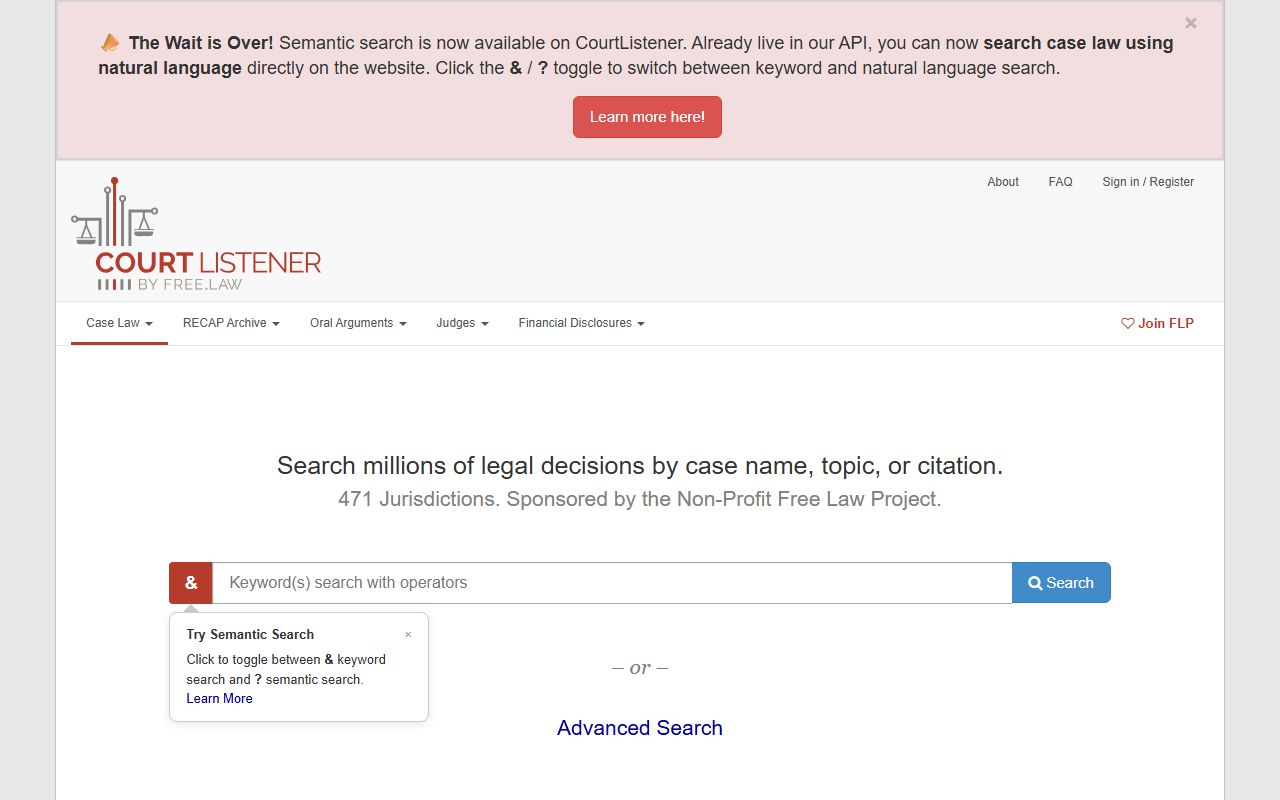
For federal cases tied to Marion County and for appeals out of the Fifth District, free docket research is open at courtlistener.com. The site mirrors PACER dockets and adds free opinion search across state and federal courts.
How do I find recently released inmates from Marion County jail?
The Sheriff's jail roster shows current inmates, so a name that drops off the list often means release. For victim notice, sign up at VINELink at vinelink.com. VINELink sends an alert by phone, email, or text when an inmate is released, transferred, or escapes. Call the jail at 352-351-8077 to confirm a release in real time. Full steps and tools are on our released inmates page.
What information is hidden from public Marion County court records?
Some files are closed by Florida law and never appear on OCRS or in paper files at the Clerk. These include sealed records under §943.059, expunged records under §943.0585, juvenile delinquency files under §985.04, dependency cases under §39.0132, adoption records under §63.162, and mental-health files under §394.4615. Victim names in sex-crime cases are also redacted. For more on what stays public versus what is closed, see our public records page.
Still Have Questions?
For the right office, see Clerk of the Circuit Court and Comptroller. For broader access rules, see public records. For records-by-topic, browse court records, criminal records, inmate records, warrant records, marriage and divorce, or probate.